

Many users assume that if a phone is recent, it automatically supports eSIM, but the reality is more nuanced. The core question of which phone models support eSIM depends heavily on the specific generation, regional variant, and even the carrier configuration. This guide cuts through the confusion by focusing on the practical steps to verify compatibility and the common pitfalls that prevent a successful transition from a physical SIM to an embedded one.
The shift is no longer a novelty;
it is a structural change in how devices connect to networks. Flagship lines from major manufacturers have largely embraced the technology, while mid-range and older devices often lag behind or offer only partial support. Understanding the boundary between full compatibility and a locked-down regional version is the first step toward avoiding a frustrating purchase or a failed activation attempt.
How to Verify Your Specific Model
The most reliable method does not rely on marketing specifications alone. Instead, it involves a direct check within the device’s operating system. Navigate to the cellular or mobile settings menu and look for an option to add an eSIM profile. If this menu item is absent, the hardware or the regional firmware is blocking the functionality, regardless of what the official product page claims.
This in-system check is the ultimate arbiter because it reflects the actual shipping configuration. A phone bought in one market might have the physical tray removed and software enabled for eSIM, while an identical model from another region retains the dual-slot tray and disables the embedded option. Therefore, always confirm the setting rather than relying on the model number alone, as regional variations can silently alter the feature set.
Brand-Specific Compatibility Patterns
Leading manufacturers have established clear generation cutoffs for their flagship lines. For instance, devices released after a certain year in a primary series typically include the necessary hardware. However, this rule does not extend uniformly across all product tiers. Some manufacturers reserve the embedded chip exclusively for their premium foldables and ultra-flagships, leaving standard versions with only physical SIM slots.
Older generations from just a few years ago may possess the physical capability but lack the software support required by modern network protocols. This discrepancy means a device from three years ago might technically have the chip but fail to register on current carrier networks. Consequently, users must consider both the hardware generation and the software update status when assessing whether their device can handle a contemporary eSIM profile.
Regional Locks and Carrier Restrictions
Even when the hardware supports the technology, carrier-specific locks can render the feature unusable. Some regional carriers enforce strict policies that require a physical SIM for initial activation or restrict the use of foreign eSIM profiles. This limitation is particularly common in markets where local regulations or business models favor traditional subscriber identity modules.
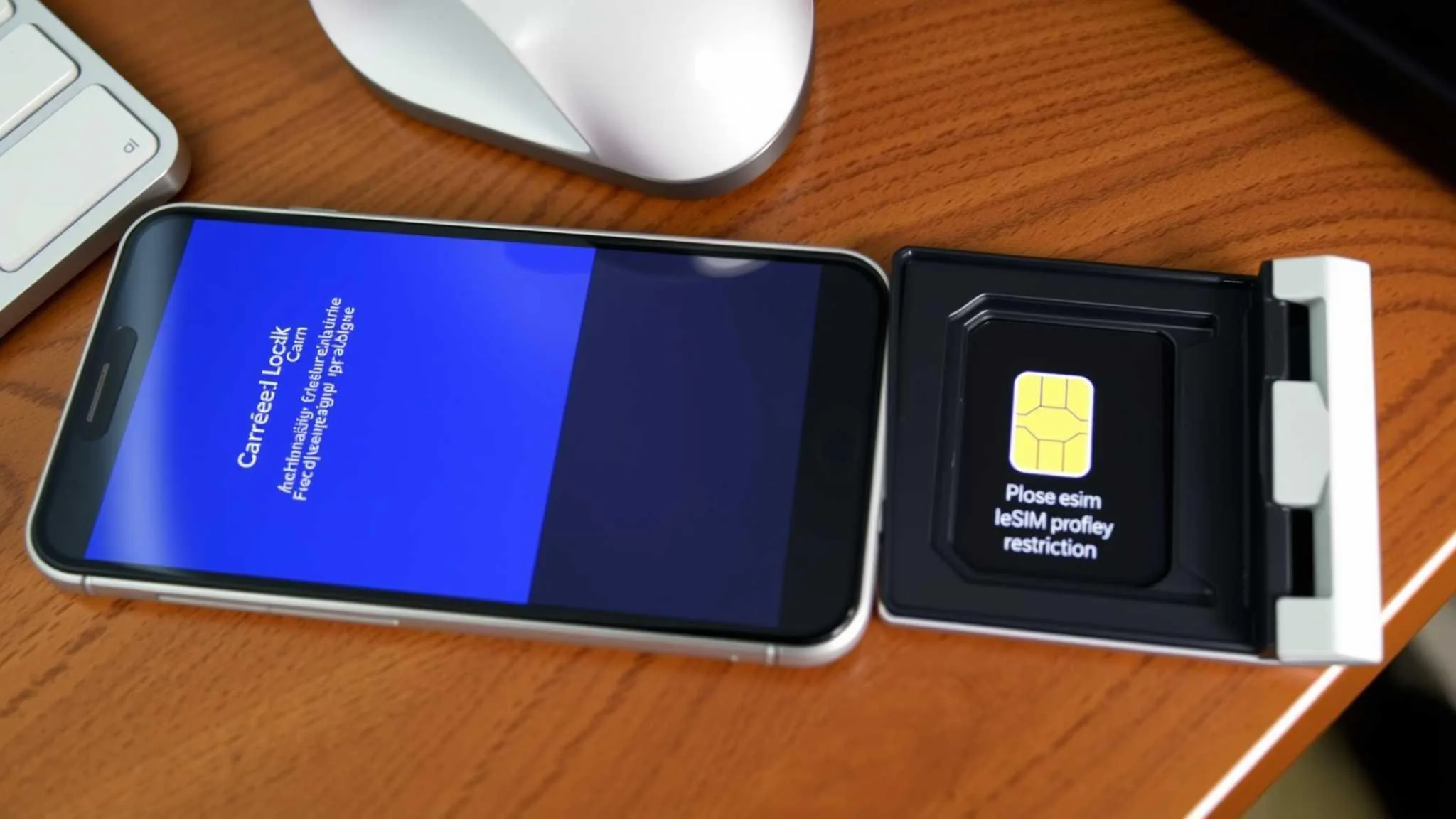
Furthermore, the distinction between global and localized versions of the same phone model can create a barrier. A device intended for international travel might support multiple profiles, while a localized variant sold through a specific carrier may have the eSIM function permanently disabled at the firmware level. Always check the carrier’s official documentation or contact support directly to confirm whether their network accepts third-party or travel-specific embedded profiles on your device.
Can Older Devices Be Upgraded?
A common misconception is that software updates can introduce eSIM support to older hardware. In most cases, this is not possible because the embedded chip is a physical component soldered onto the motherboard. If the device lacks this component, no operating system update can conjure it into existence, as the software requires the physical hardware to communicate with the network.
However, some manufacturers have enabled software-level switches on devices that possess the chip but had the feature disabled by default. If your phone is from a generation known to support the technology, checking for system updates or carrier-specific configuration files might reveal a hidden option. Yet, for devices predating the widespread adoption of the chip, the hardware limitation remains absolute, making a hardware upgrade the only viable path.
摘要: 本文探讨了如何确认手机是否支持eSIM,强调通过系统设置直接验证比规格表更可靠,并指出品牌、型号世代及地区运营商限制是决定兼容性的关键因素。
Bitcoin has moved sharply lately, so the upside and the risk need to be measured together.
Checking network fees and platform rules before a transfer is especially important for beginners.
The article explains wallet security, exchange selection, and risk control in a practical way.
After experiencing exchange risk controls, I now use 2FA and avoid keeping all funds in one place.