
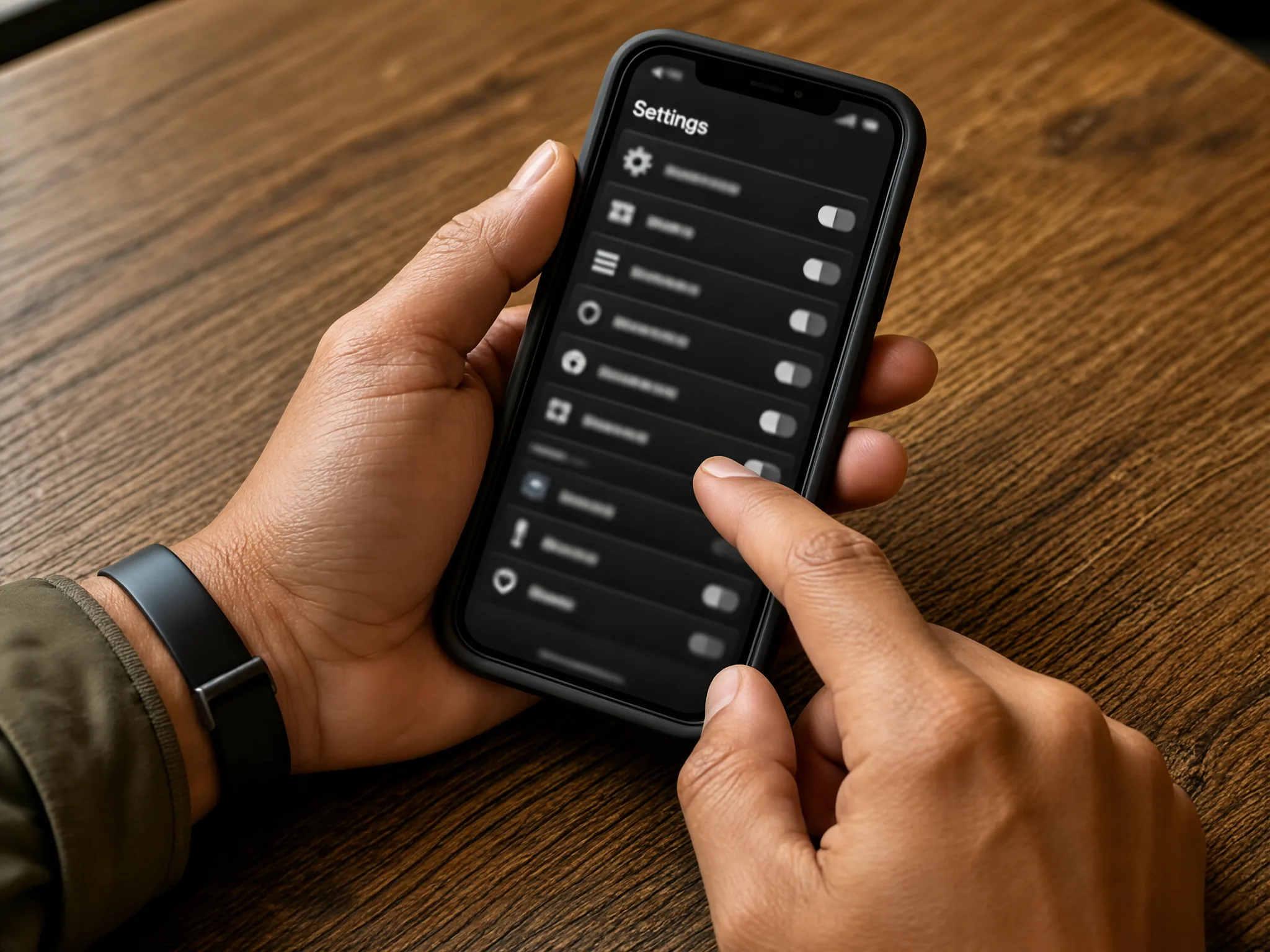
Travelers in Europe risk unexpected data fees if they rely on default roaming settings. Disabling roaming, using eSIMs, and leveraging public Wi-Fi with precautions are critical steps to maintain connectivity without overspending. This guide outlines actionable methods to stay online affordably while avoiding hidden charges.
Disable Roaming and Set Usage Alerts
Mobile carriers often enable roaming by default, leading to costly charges. Navigate to your phone’s settings to turn off data roaming under the cellular or network menu. Pair this with usage alerts: most devices allow setting data limits to trigger warnings before exceeding thresholds. This dual approach prevents accidental overages while ensuring you retain control over data consumption.
eSIMs: A Flexible Alternative to Traditional SIMs
eSIM technology eliminates the need for physical SIM cards, allowing travelers to activate local European plans remotely. Unlike traditional SIMs, eSIMs can be switched instantly without disrupting your primary number. Research providers offering coverage across multiple European countries to maximize flexibility. Activate the eSIM before arrival to ensure immediate access to affordable data rates, bypassing roaming charges entirely.
Public Wi-Fi: Maximizing Safety and Utility

Free Wi-Fi is widely available in European cafes, hotels, and public spaces. Prioritize networks requiring login pages over open, unsecured options. Use a virtual private network (VPN) to encrypt data transmitted over public networks, reducing risks of cyber threats. Download offline maps and documents beforehand to minimize reliance on real-time connectivity, further conserving data.
Risks of Unmonitored Data Usage and Mitigation
Automatic app updates and background data processes can deplete allowances rapidly. Disable automatic downloads in app store settings and restrict background data usage for non-essential apps. Regularly monitor data consumption through your device’s settings or carrier portal. If unexpected charges occur, contact your provider immediately to dispute fees and adjust settings proactively.
Bitcoin has moved sharply lately, so the upside and the risk need to be measured together.
Checking network fees and platform rules before a transfer is especially important for beginners.
The article explains wallet security, exchange selection, and risk control in a practical way.
After experiencing exchange risk controls, I now use 2FA and avoid keeping all funds in one place.